Let's Talk About Our Steaks | Hawksmoor

LET'S TALK ABOUT OUR STEAK

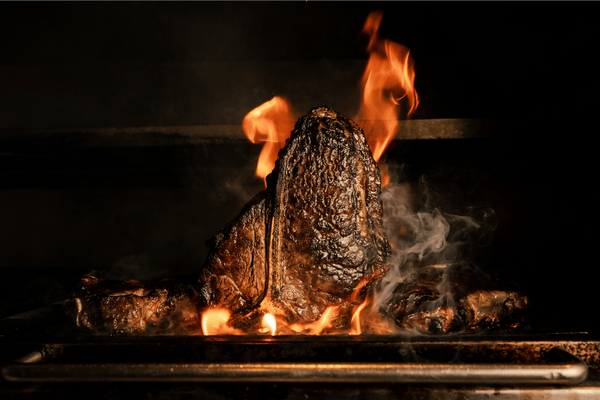
A shot of a large steak on a grill with flames, at Hawksmoor Chicago

If you take only one thing away from us, take this – buy the best beef you can get your hands on and cook it simply

How we think about Steak

Before we opened Hawksmoor, we knew that finding great beef was the key to the restaurant’s success. 

After much Googling, exhaustive visits to farmers’ markets up and down the land, and a few cloak-and-dagger conversations with beef lovers who were reluctant to share their sources, we ordered steaks from almost fifty farmers and butchers. 

We tasted everything. Highly regarded beef from Argentina. Wagyu cattle that cost a small fortune. USDA Prime, the most prized beef from America. 

Then we put it all to the test. 

We ran blind tastings, with winners progressing through round after round until we reached a final. We did not look at price. We only cared about flavor. By the end we felt like foolhardy Texans in a steak eating contest, but we had a clear winner. Unsurprisingly, it was also one of the most expensive. 

That experience shaped everything we do. 

Great steak does not happen by accident. Every stage of an animal’s life, and everything that happens to the meat from slaughter to the moment it hits your plate, affects how it tastes. Techniques that cut costs often cut flavor too.
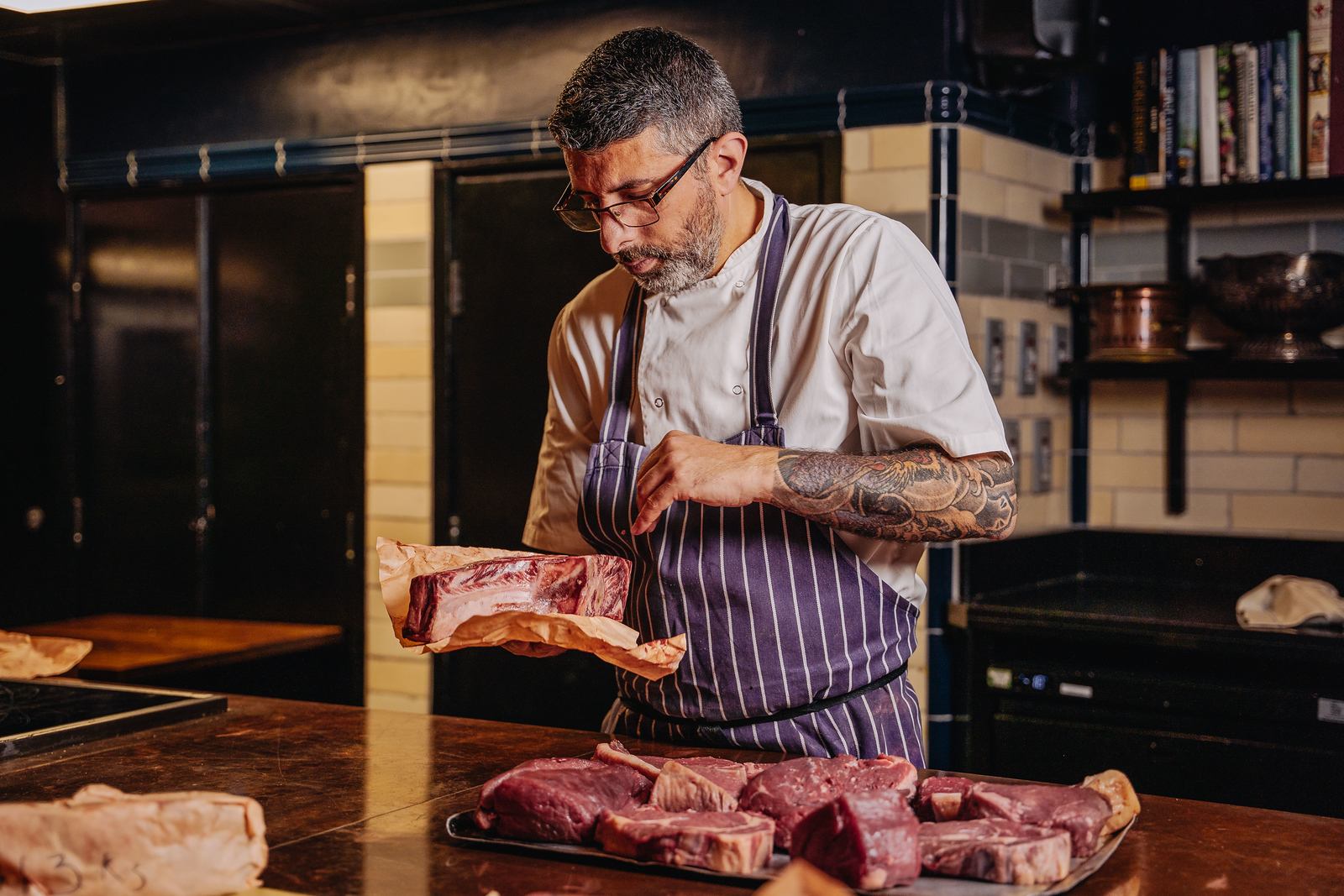
A chef inspecting different cuts of steaks laid out on the table in front of him

How we select our beef

We choose beef for one reason above all else. Taste. 

We look for cattle that have been well reared, properly fed, and allowed to mature at their own pace. We favor traditional breeds and proper dry aging, because both add depth, texture, and richness. 

We do not select on price. We select on flavor. 

Producing exceptional beef costs more, and it should. But the result is steak with real character. Deeply savory, richly marbled, and worth taking your time over. 

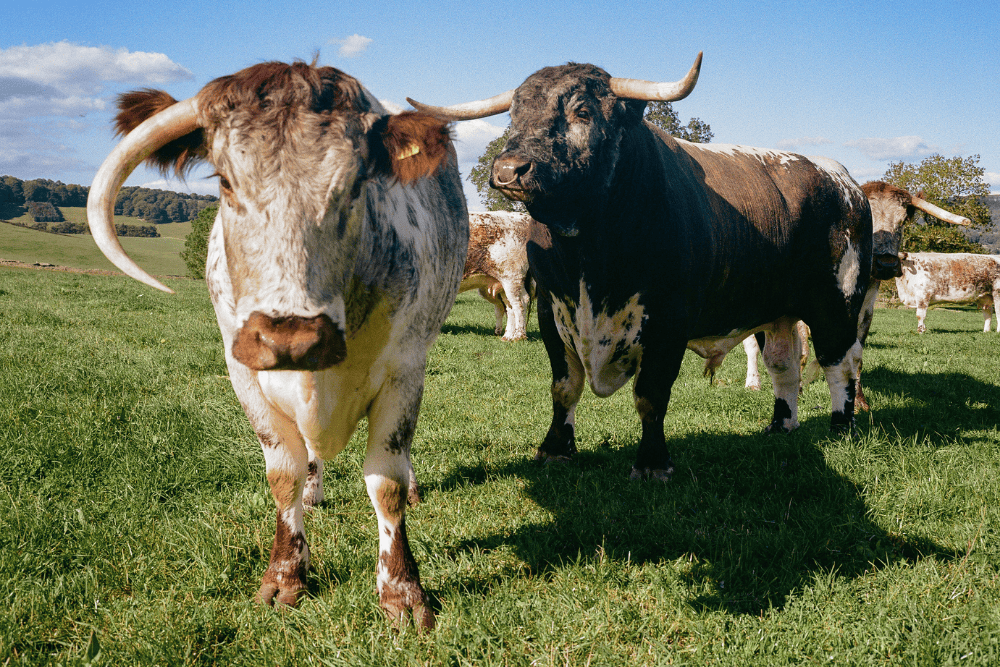
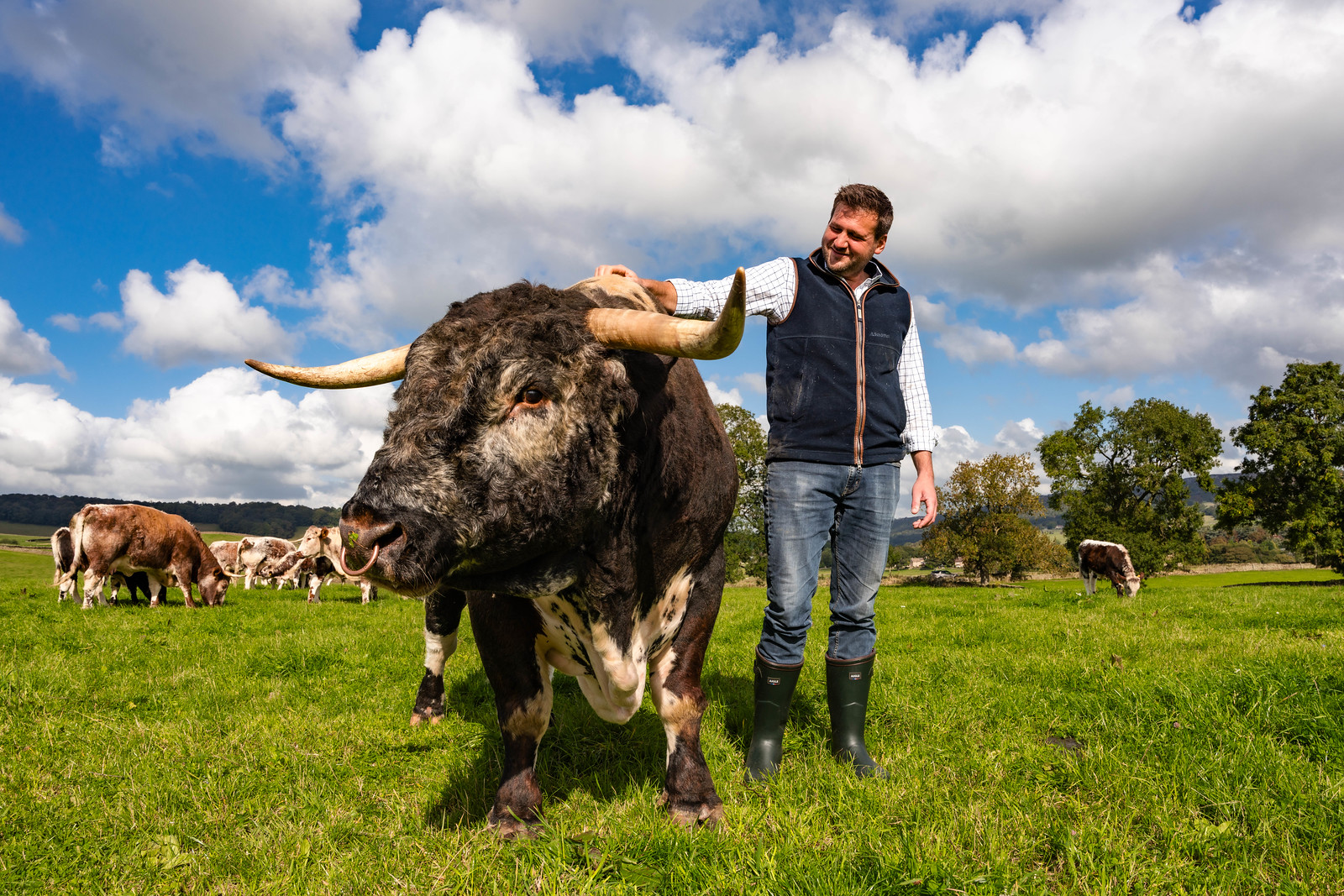
A image of a farmer and a cow in the green field against the blue sky

Honor the life of the animal

This may sound like an odd thing for a steak restaurant to say, but we believe you should honor the life of the animal. 

Not long ago, people had a much closer connection to their food. Meat did not come in shrink-wrapped packages. It came from animals that were raised nearby, and their lives and deaths were treated with respect. 

For us, that starts with how cattle are raised. They should have space, be well cared for, and live to a decent age eating what they are meant to eat, which is grass.  

“Happier cattle produce better beef, and better beef tastes better.” 

It continues with how animals are handled at the end of their lives. There should be minimal stress and every effort made to avoid pain. If we are going to eat animals, we owe them a decent life and a humane death. 

It also shapes how we eat. 

Do not eat too much meat, but when you do, make sure it is the good stuff. Every meal is a choice about the kind of food system you want to support. 

And when you cook steak, cook it properly and eat all of it. Wasting meat means the animal died for nothing. 

The science of steak

Raw beef plus high heat equals a deeply delicious brown crust. If that is all you need to know, you can stop reading now. 

If not, this is the kind of science that would have pleased Einstein and Escoffier in equal measure.  

That crust is the result of the Maillard reaction, a kind of turbocharged caramelization where sugars and amino acids combine to create hundreds of flavor compounds. Nutty, savory, earthy, and just about everything else that makes steak taste like steak.  

At the same time, fat melts into the meat, amplifying flavor, while heat breaks down proteins and releases juices rich in umami. That hard to pin down savory depth that makes you want another bite before you have finished the first.  

Get it right and the result is tender, juicy, and full of flavor. Get it wrong and all those juices end up in the pan instead of in your mouth.  

That is why we aim for that sweet spot, and why we always rest our steaks after cooking. It helps the temperature even out and keeps more of the good stuff where it belongs.  

The crust helps too. Its intense flavor gets your mouth watering before you even take a bite.  

All of which is a long winded way of saying that when steak is cooked properly, it tastes incredible.  

And, in case the scientists needed to prove it, eating it makes us very happy. 


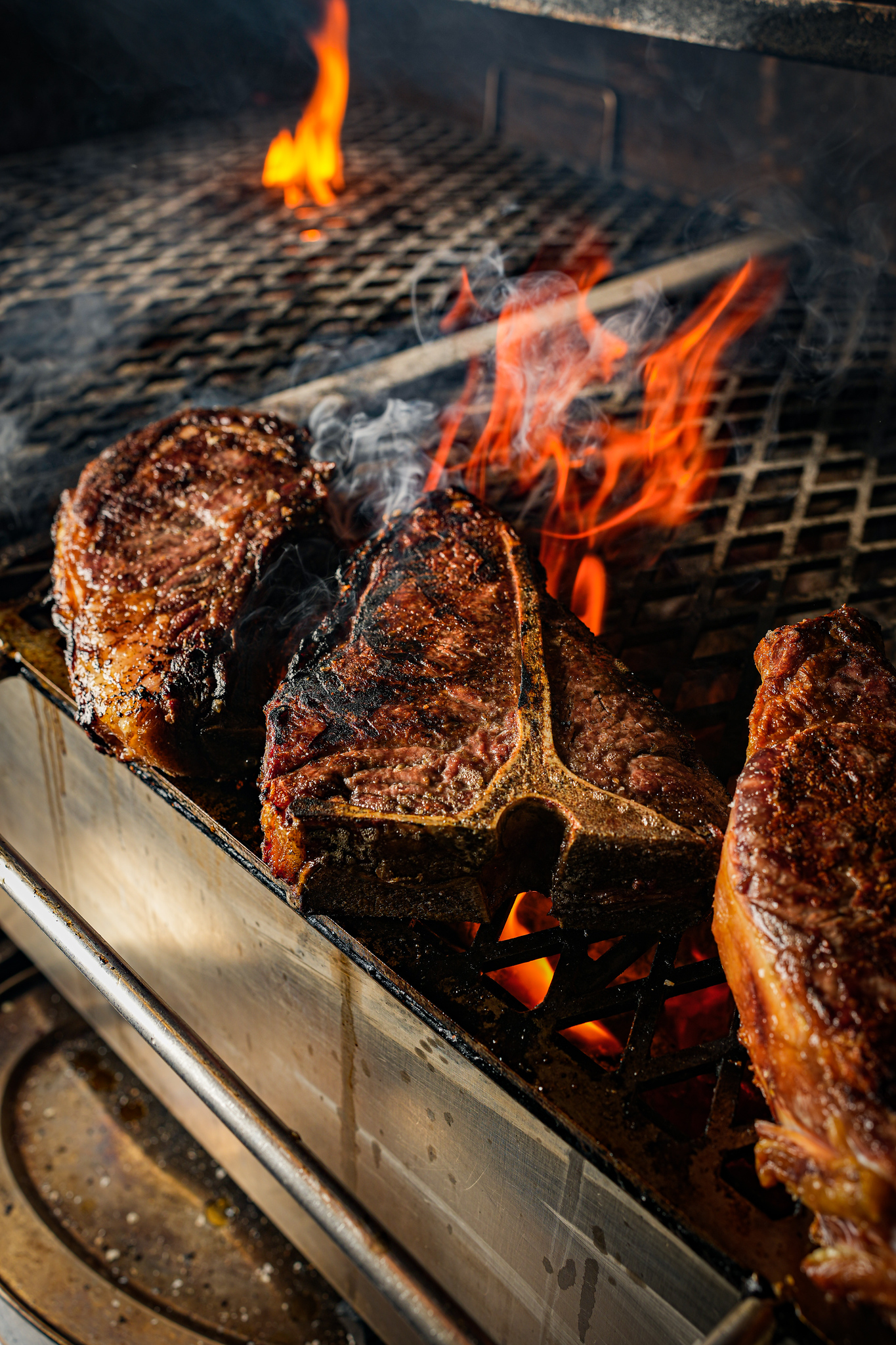
Three different cuts of steaks on the grill with open flames

Fat, flavor, and what really matters

Fat matters. We love it. But more marbling does not always mean more flavor. 

One very expensive way to explore that idea is to fly to Japan and try Wagyu.   

Co-founder, Huw, did exactly that while visiting his now wife’s family. Romantic trip, you might think. Temples, culture, meaningful moments. Instead, top of his list was a visit to a beef farm outside Kobe. Not everyone’s idea of a romantic itinerary.  

The cattle, disappointingly, were not being massaged with sake or serenaded with Mozart. They were happily eating a carefully controlled diet designed to encourage extreme marbling.  

The result is beef that is incredibly tender. You can cut it with chopsticks. Each bite is rich and luxurious, with waves of melting fat. But for us, the flavor can be surprisingly fleeting. The texture is extraordinary, but the beefiness itself is more subtle than you might expect.  

Different cultures simply value different things. Some prize that softness above all else. We tend to look for something slightly different.  

For us, flavor comes first.  

What an animal eats has a huge impact on how it tastes. Cattle raised on grass develop deeper, more complex flavors, while grain-fed beef tends to be more uniform and milder. There are exceptions, of course, but again and again we come back to the same conclusion. The more natural the diet, the more character in the steak.  

That does not mean it is simple. Grass is a living thing. It changes with soil, weather, and season, which means truly great beef is never completely uniform. No two steaks are exactly the same, and we think that is part of the point.  

Good farming takes time, care, and a bit of compromise. Even our cattle are not purists. In the final weeks, their grass diet is gently supplemented to help develop the fat needed for proper aging. The difference is scale and intent.  

So we are not against marbling. We just do not chase it at the expense of flavor. 

Because for us, the best steak is not the softest or the richest. It is the one that tastes the most like beef. 


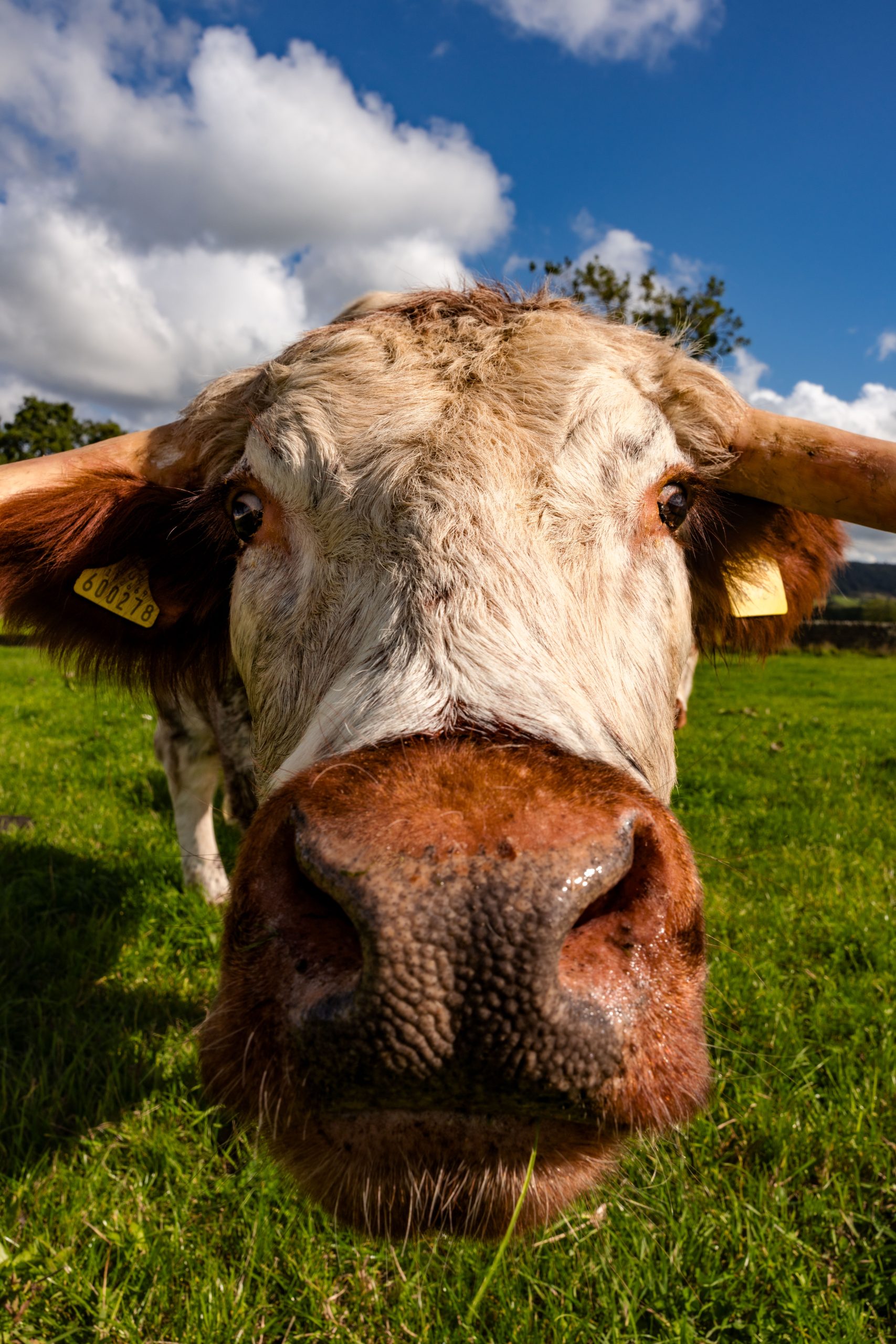
A close shot of the cow's face
The owner of this website has made a commitment to accessibility and inclusion, please report any problems that you encounter using the contact form on this website. This site uses the WP ADA Compliance Check plugin to enhance accessibility.